Cart
0
Perhaps also interesting

 Fast delivery - worldwide
 B2B and B2C
 Shipping costs from € 7.95
Fast delivery - worldwide
B2B and B2C
Shipping costs from € 7.95
Fast delivery - worldwide
B2B and B2C
Shipping costs from € 7.95
Fast delivery - worldwide
B2B and B2C
Shipping costs from € 7.95
Fast delivery - worldwide
B2B and B2C
Shipping costs from € 7.95
Fast delivery - worldwide
B2B and B2C
Shipping costs from € 7.95
Fast delivery - worldwide
B2B and B2C
Shipping costs from € 7.95
Fast delivery - worldwide
B2B and B2C
Shipping costs from € 7.95
Fast delivery - worldwide
B2B and B2C
Shipping costs from € 7.95
Fast delivery - worldwide
B2B and B2C
Shipping costs from € 7.95
Shipping costs from € 7.95
Fast delivery - worldwide
B2B and B2C
Shipping costs from € 7.95
Fast delivery - worldwide
B2B and B2C
Shipping costs from € 7.95
Fast delivery - worldwide
B2B and B2C
Shipping costs from € 7.95
Fast delivery - worldwide
B2B and B2C
Shipping costs from € 7.95
Fast delivery - worldwide
B2B and B2C
Shipping costs from € 7.95
Fast delivery - worldwide
B2B and B2C
Shipping costs from € 7.95
Fast delivery - worldwide
B2B and B2C
Shipping costs from € 7.95
Fast delivery - worldwide
B2B and B2C
Shipping costs from € 7.95
Fast delivery - worldwide
B2B and B2C
Shipping costs from € 7.95


Working at height requires focus, experience, and above all: safety. A single moment of inattention and a dropped screwdriver can have serious consequences—for yourself and your colleagues. Fortunately, there's a simple, effective solution: the tool tether. In this blog post, you'll learn what a tool tether is, why it's crucial for working safely at height, and what to consider when choosing one.
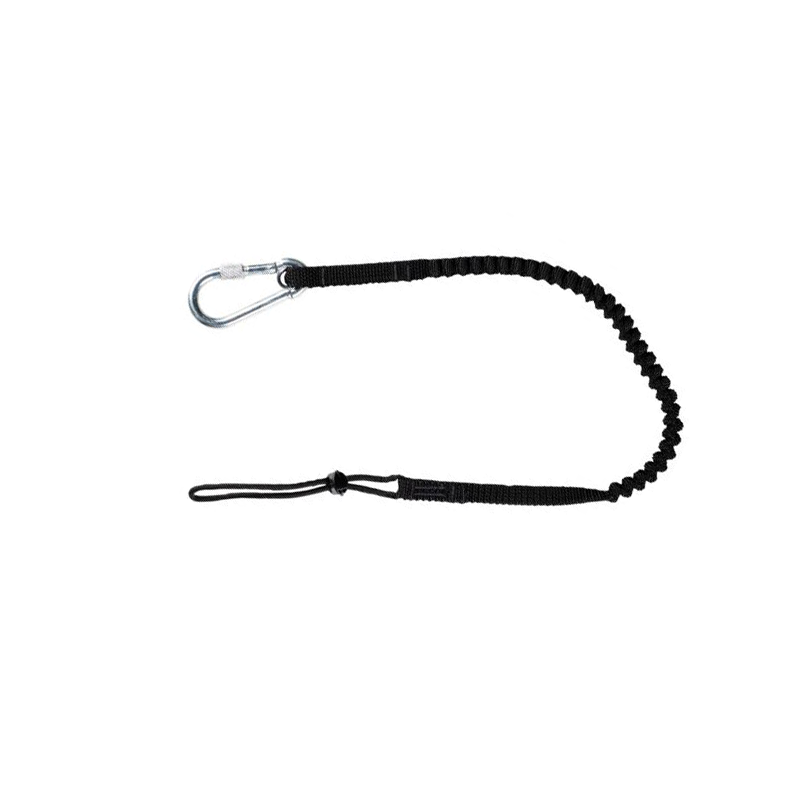
A tool tether, also known as a retractable tool lanyard or tool fall protection, is a tether that secures your tools against falls. One end of the tether attaches to your body or equipment, and the other end attaches to the tool you're using.
This clever accessory not only prevents accidents but also keeps your tools within easy reach. This is especially essential when working on ladders, scaffolding, or elevated work platforms.
Dropping tools is one of the most underestimated workplace hazards. The impact is greater than you think:
In sectors such as fire brigade, construction, defense and security, the use of tool tethers is not an option, but a necessity.
Not every tether is suitable for every type of work or tool. Keep the following points in mind:
| Type | Application | What is secured? | Feature |
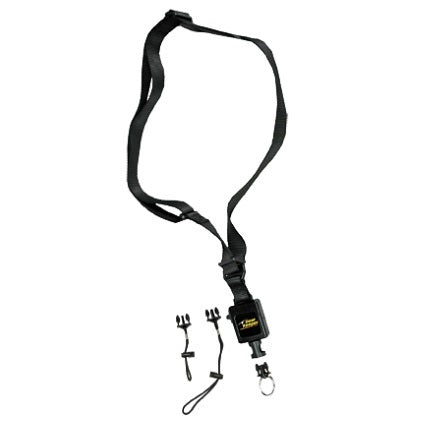
| Personal tool tether | Building & construction, electrical & installation technology, window cleaning, facade cleaning, roofers, fire & emergency services | Tools are secured to a person | |
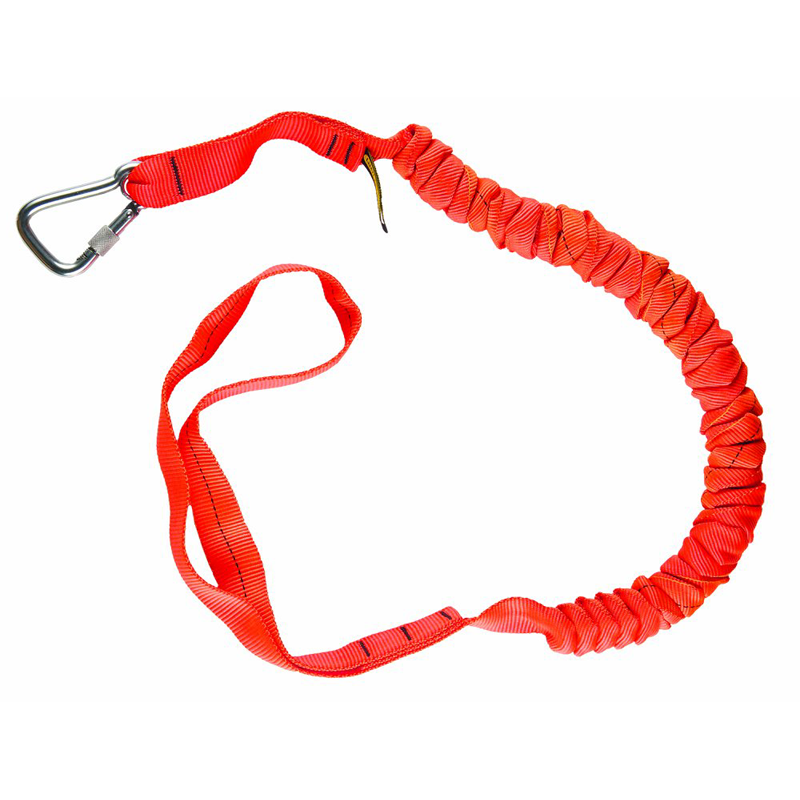
| Anchor tool tethers | Construction & building, electrical & installation technology, window cleaning, facade cleaning, roofers, fire brigade & emergency services | Tools are secured to a fixed object such as scaffolding (pipe), the basket of an aerial work platform, a timber frame or steel frame, etc. | |
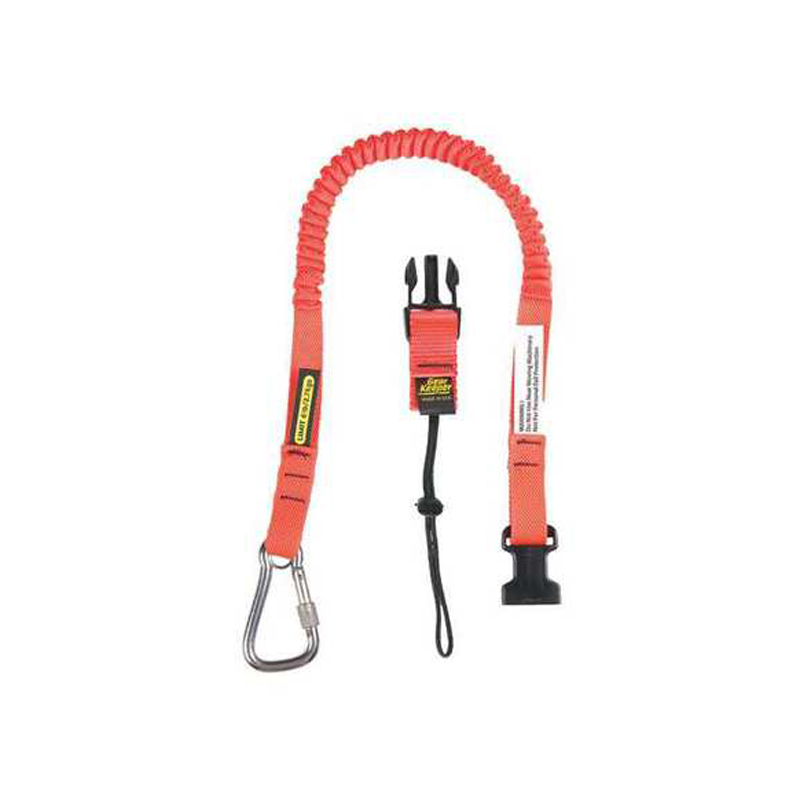
| Wrist tool tethers | Building & construction, window cleaning, roofers, facade cleaning, fire & emergency services | Tools are secured to a person's wrist | |
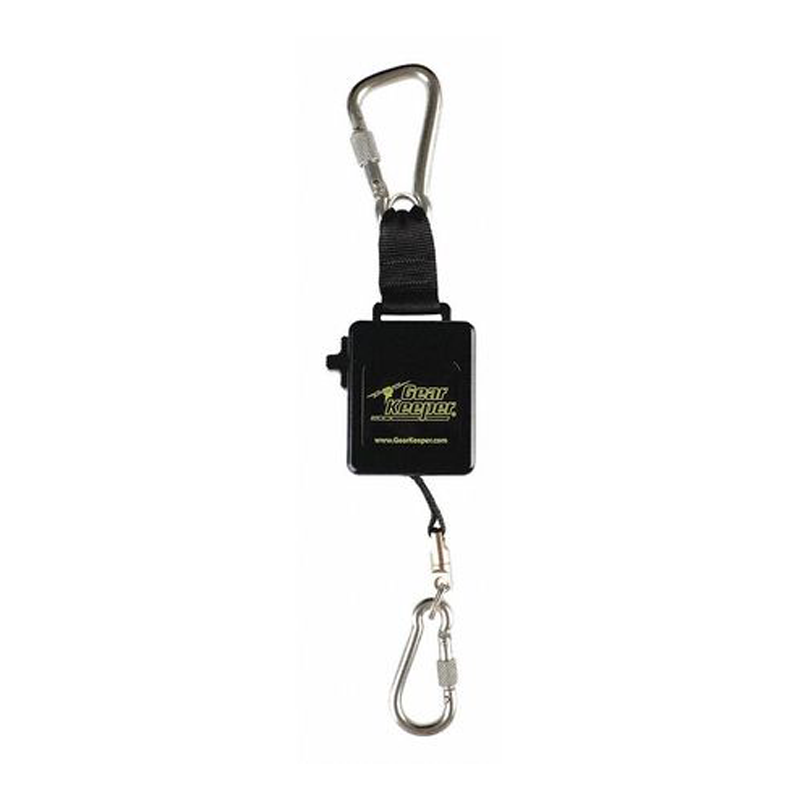
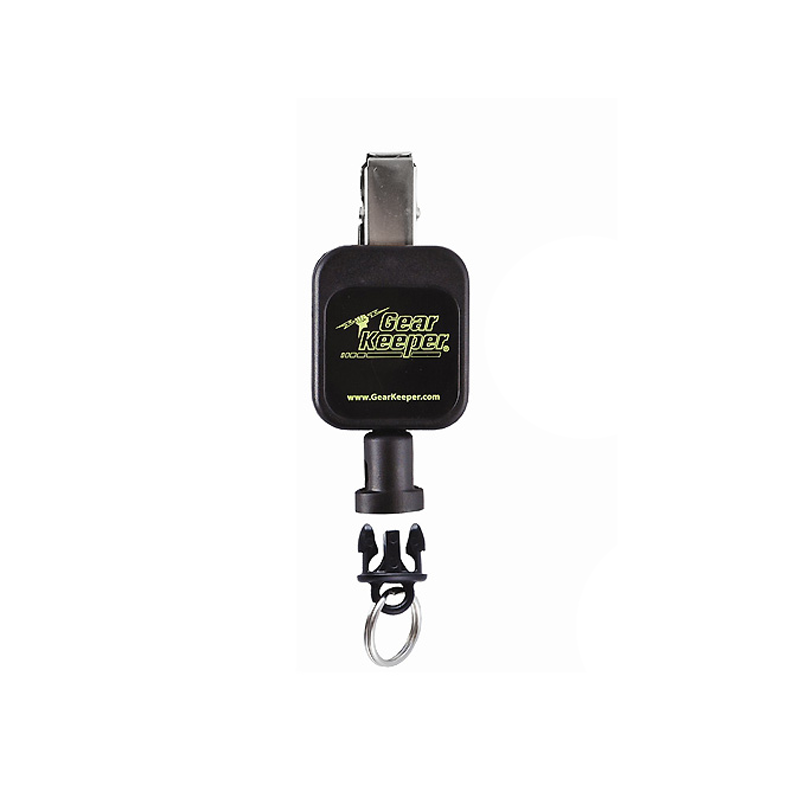
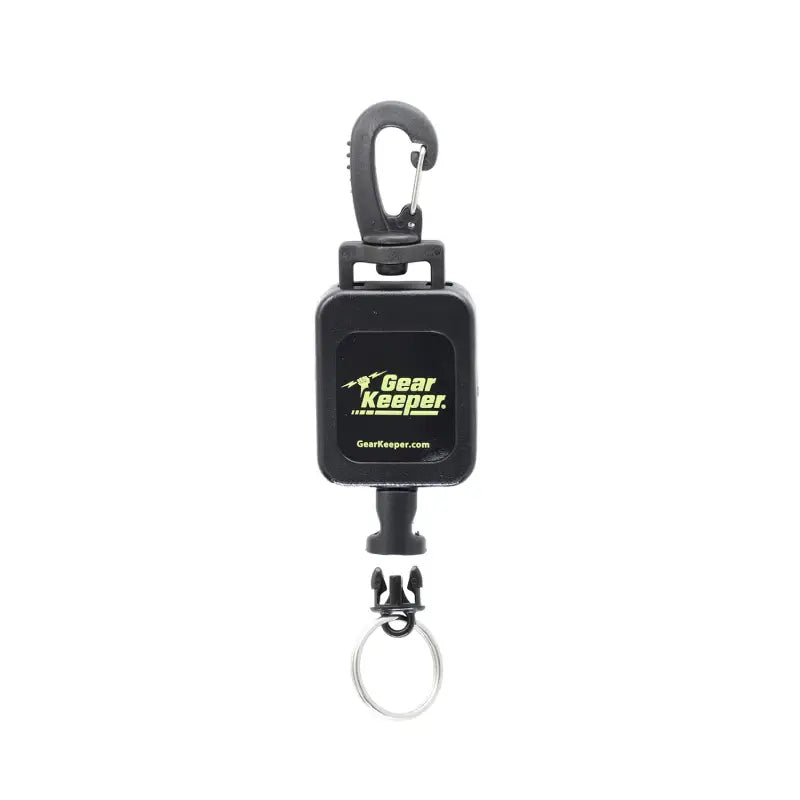
| Retractable tool tethers | Building & construction, window cleaning & facade cleaning, roofers, fire brigade & emergency services | Retractor is secured to a person |
A tool tether may seem like a small detail in your equipment, but its impact on safety and efficiency is enormous. Whether you're working on a wind turbine, fighting a fire, or constructing a tower crane – with the right tether, you'll work safer, smarter, and more professionally.
At Gearkeepershop, you'll find a wide range of tool tethers, retractors, and safety accessories that meet the highest standards for professional use. Choose certainty, choose quality.
A tool tether is a safety line that prevents tools from falling while working at height. The tether connects the tool to a person (e.g., a harness or work vest) or to a fixed object such as scaffolding or an aerial work platform. This significantly reduces the risk of injury, damage, and tool loss.
When working at height, the risk of falling from tools is a major safety hazard. According to the Dutch Working Conditions Act (Arbowet), you must take measures to mitigate this risk. Tool tethers are a proven and simple way to comply with this legal requirement and ensure the safety of yourself and your colleagues.
Tool tethers are widely used in sectors where work at height is regularly performed, such as building and construction, electrical and installation engineering, window cleaning, fire and emergency services, industrial, offshore, and wind energy. In these sectors, they are often a standard part of personal equipment.
There are different types of tool tethers, each with its own application. These include personal tool tethers (attached to the user), anchor tool tethers (attached to a fixed object), wrist tool tethers (around the wrist), and retractable tool tethers with an automatic retraction function. The right choice depends on your work and the type of tool you use.
When choosing a tool tether, it's important to consider the maximum weight capacity, length and range of motion, the attachment type, and the material. Also, make sure the tether is certified according to applicable safety standards to ensure it's suitable for professional use.
Each tool tether has a maximum load capacity, usually expressed in kilograms. Lightweight tethers are suitable for hand tools like pliers and tape measures, while heavier tools like torque wrenches or power tools require a tether with a higher weight capacity. Always use a tether that is appropriate for the weight of your tool.
No, it is strongly discouraged to attach multiple tools to a single tool tether. This can lead to tangles, reduced freedom of movement, and overloading the tether. For safe working at height, use one tool tether per tool.
Always attach a tool tether to a secure and suitable point, such as a harness, work vest, or a fixed object. Don't use makeshift solutions. Before use, check that the attachment is secure and that the tether shows no signs of wear.
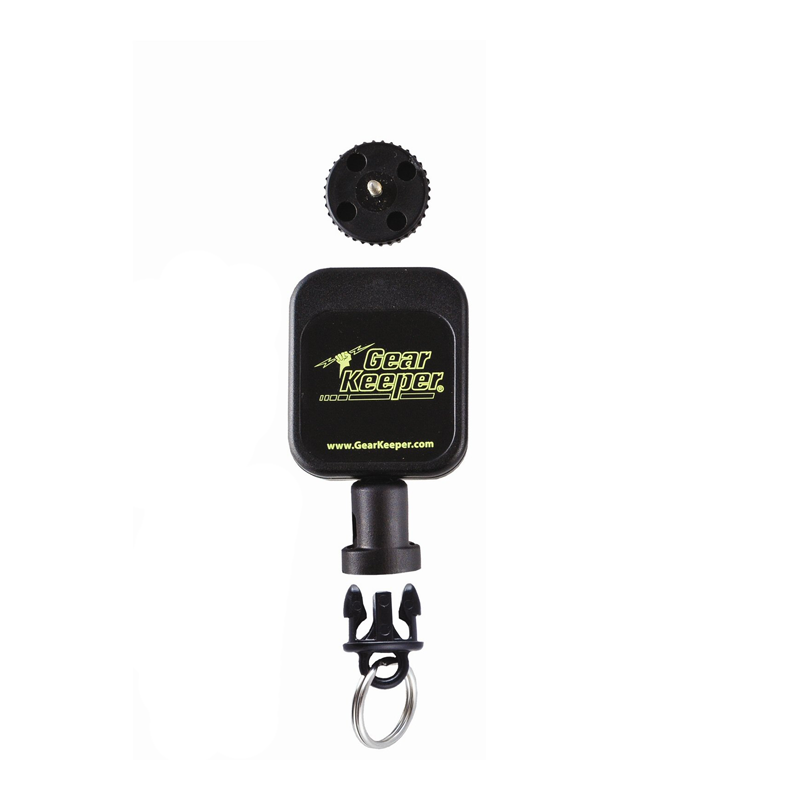
A retractable tool tether automatically retracts and extends while you work. This gives you maximum freedom of movement without the tether getting in the way. This type is especially popular for jobs where you frequently change positions, such as on scaffolding, roofs, or elevated work platforms.
A tool tether should be visually inspected for wear, damage, or defects before each use. With intensive use, a more thorough inspection is recommended periodically. Damaged or worn tethers should be replaced immediately to prevent safety risks.